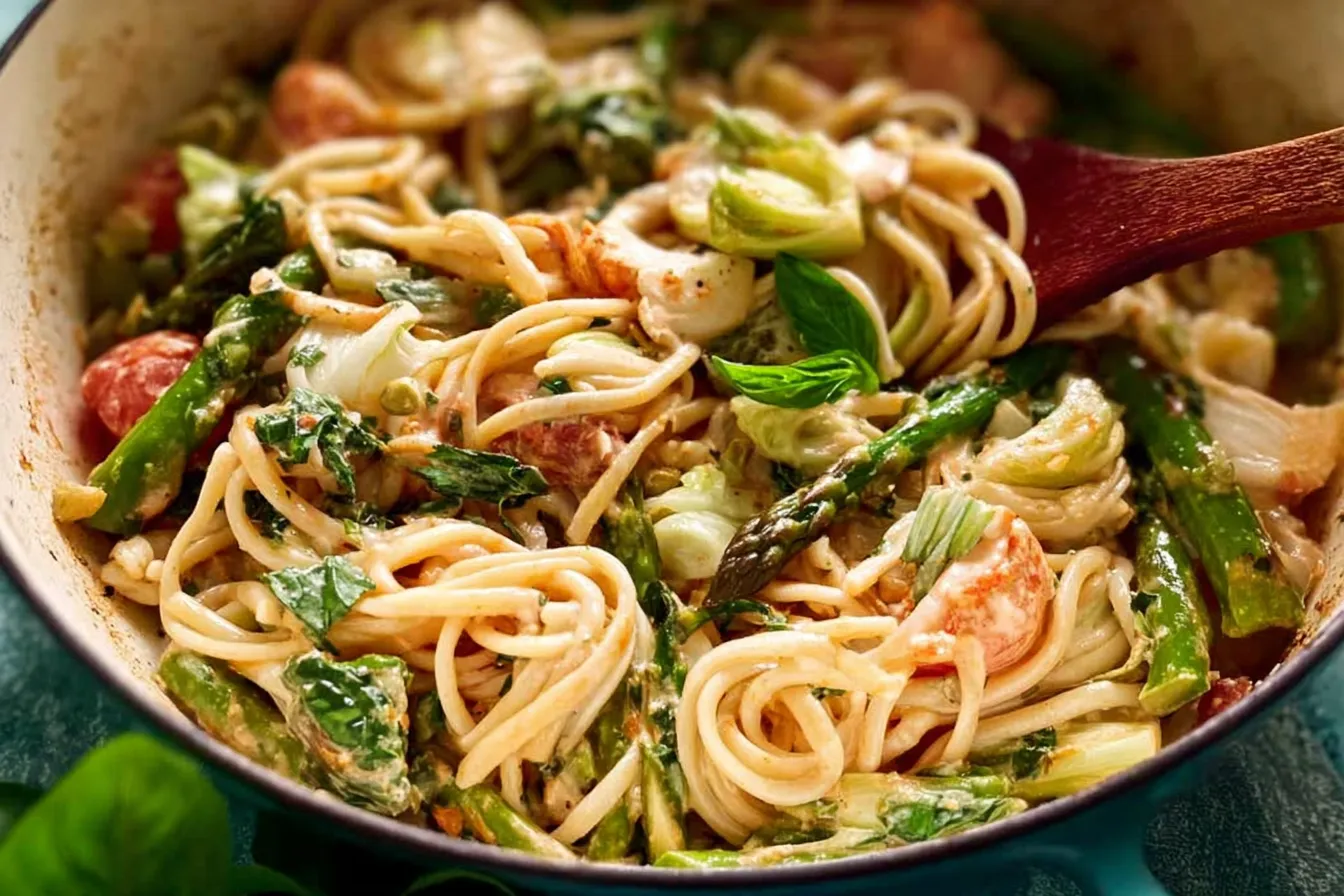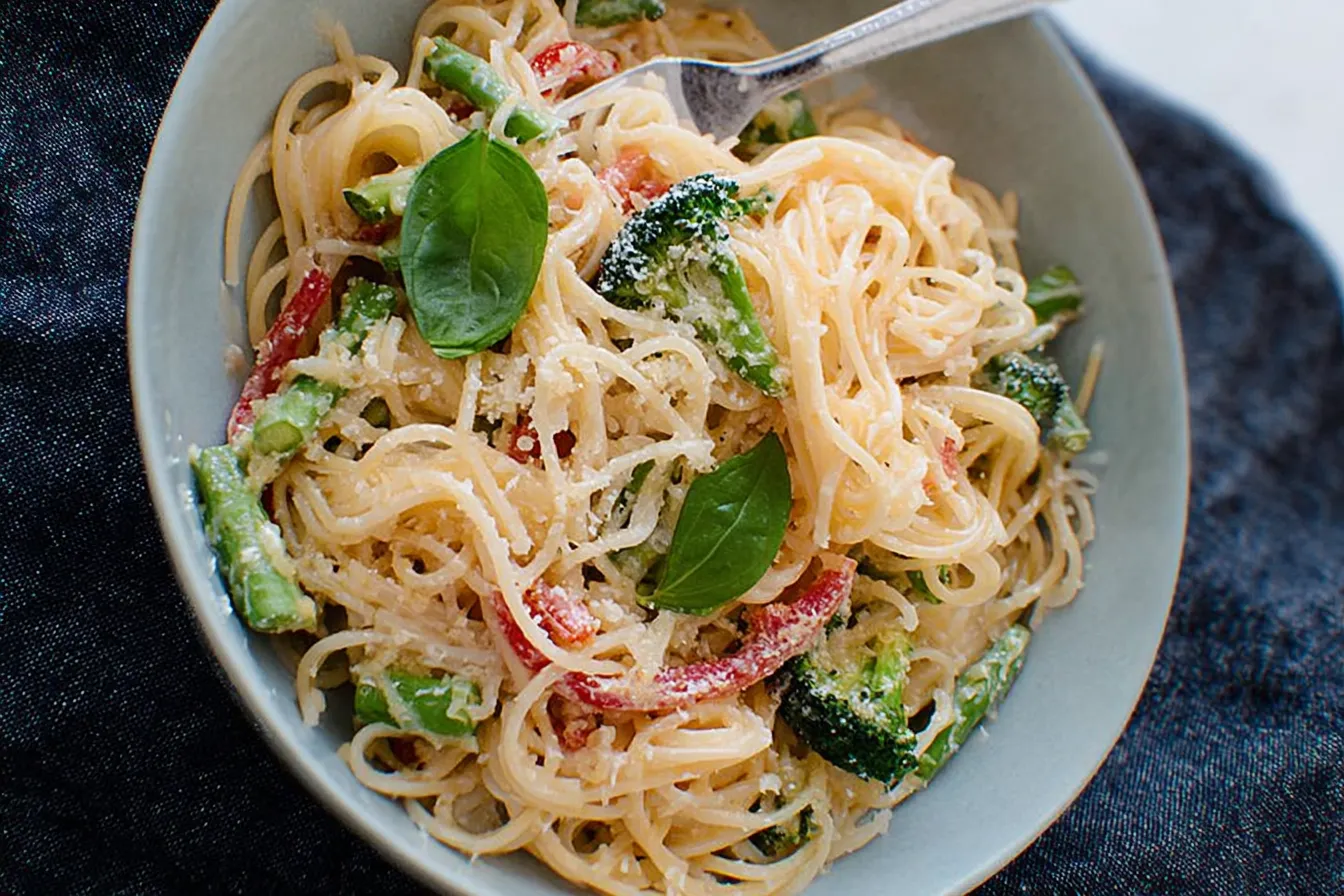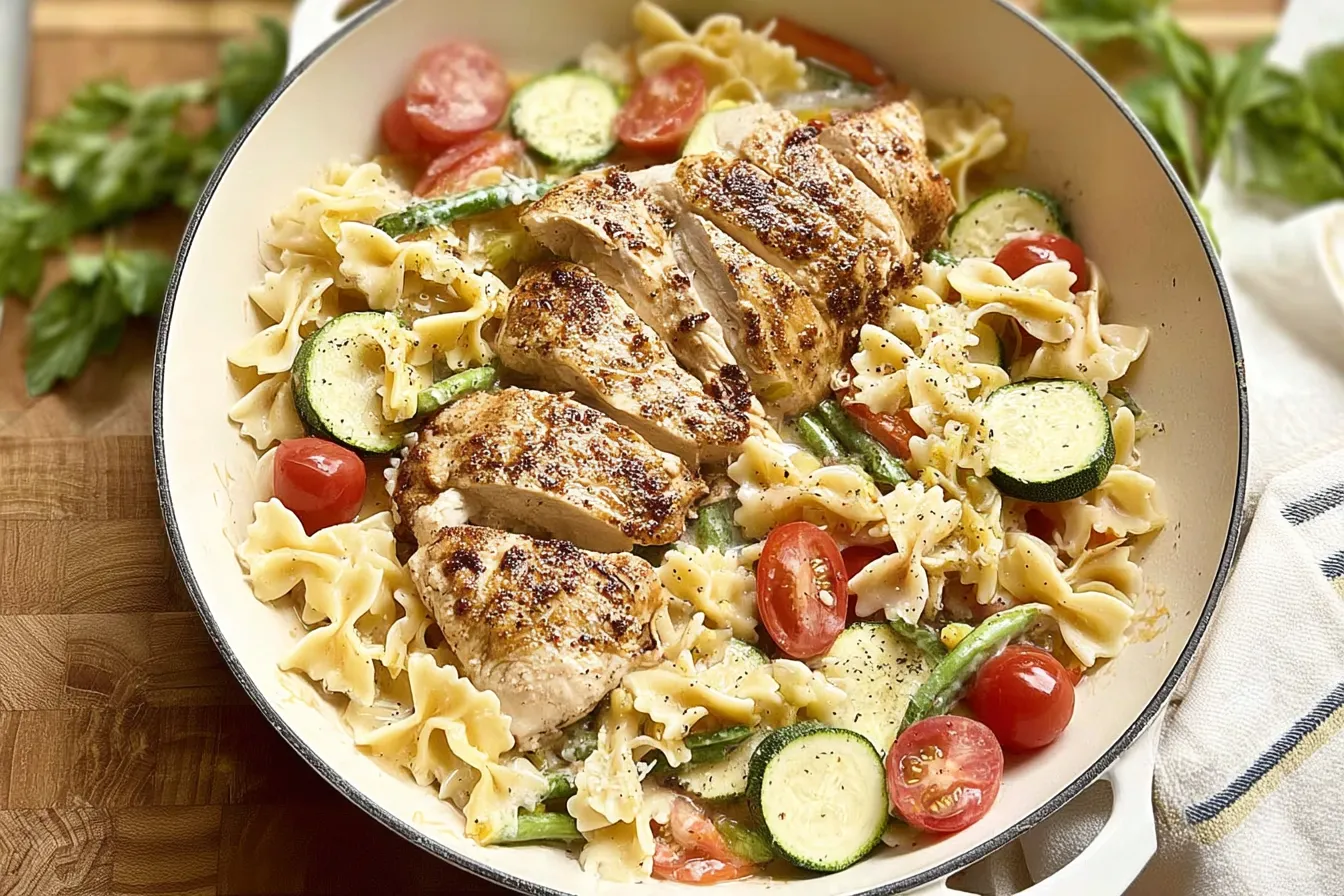
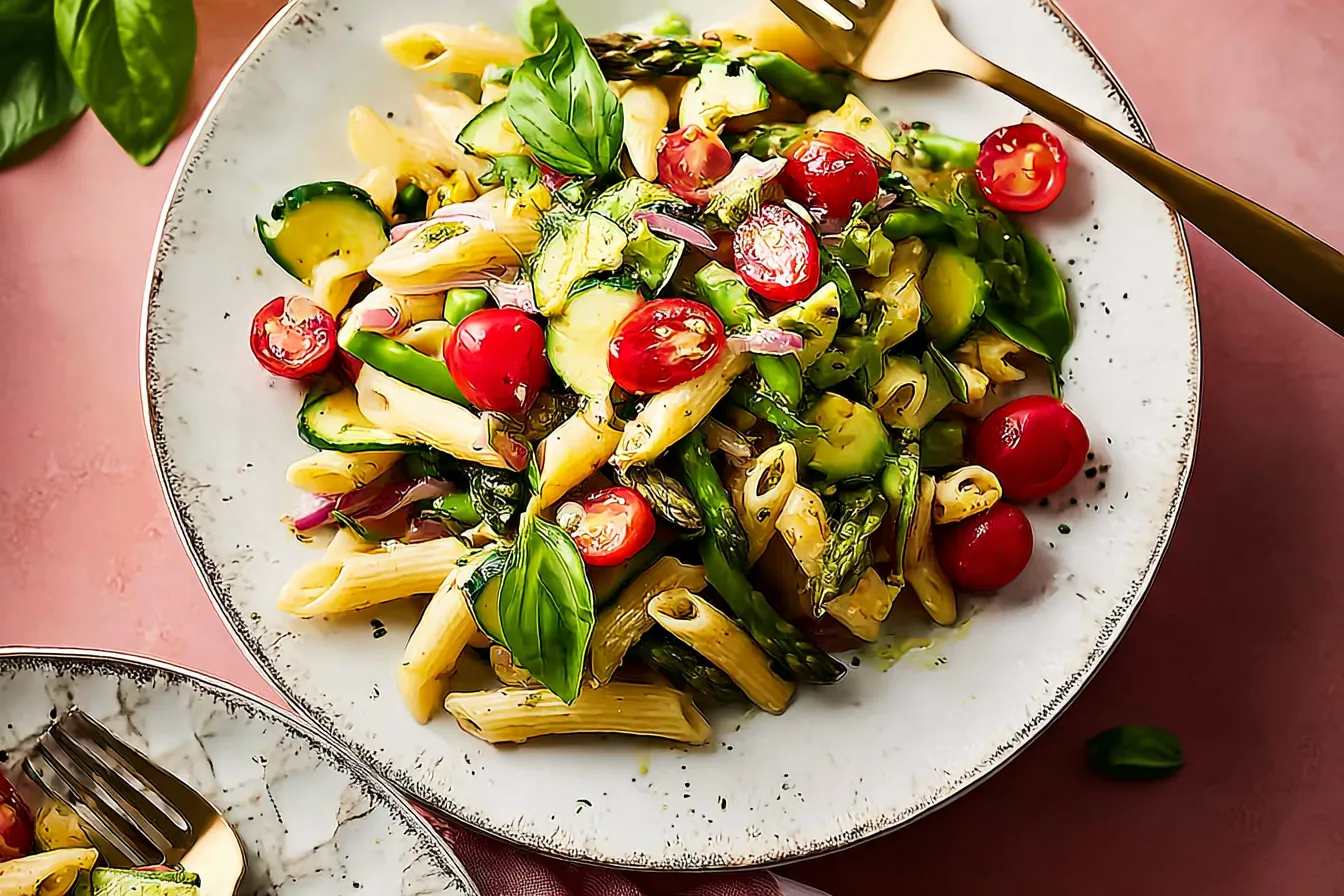
Pasta Primavera is a vibrant dish that celebrates the beauty of fresh vegetables combined with al dente pasta. With a colorful assortment of seasonal produce, this delightful meal captivates food lovers who appreciate both flavor and nutrition. Not only is it visually stunning, but it also offers a light yet satisfying option that is perfect for any occasion.
As you savor each bite, the delicate balance of flavors dances on your palate. Whether you prefer a rich sauce or simply a drizzle of olive oil, this vegetable pasta variety allows for endless culinary creativity. Dive into the world of Pasta Primavera and discover how easy it is to bring a taste of spring to your dining table year-round!
What Makes a Great Pasta Primavera:
Creating a delightful Pasta Primavera experience hinges on a few essential elements. First and foremost, vibrant, seasonal vegetables are imperative. Using fresh produce not only adds color but also enhances the dish’s flavor profile. Classic choices include bell peppers, asparagus, and tomatoes, all of which can be sautéed to perfection.
Next, the sauce is crucial. A light olive oil or garlic-infused sauce allows the vegetables to shine, while a creamy variant can offer a comforting richness. For an innovative spin, consider trying a lemon garlic pasta primavera, which complements the freshness of the veggies beautifully.
Moreover, selecting the right pasta is equally valuable. Opt for shapes that capture sauce and veggies well, like fettuccine or penne. Lastly, don’t forget the herbs. Fresh basil or parsley at the end can provide a fragrant finish, elevating your Pasta Primavera from good to great!
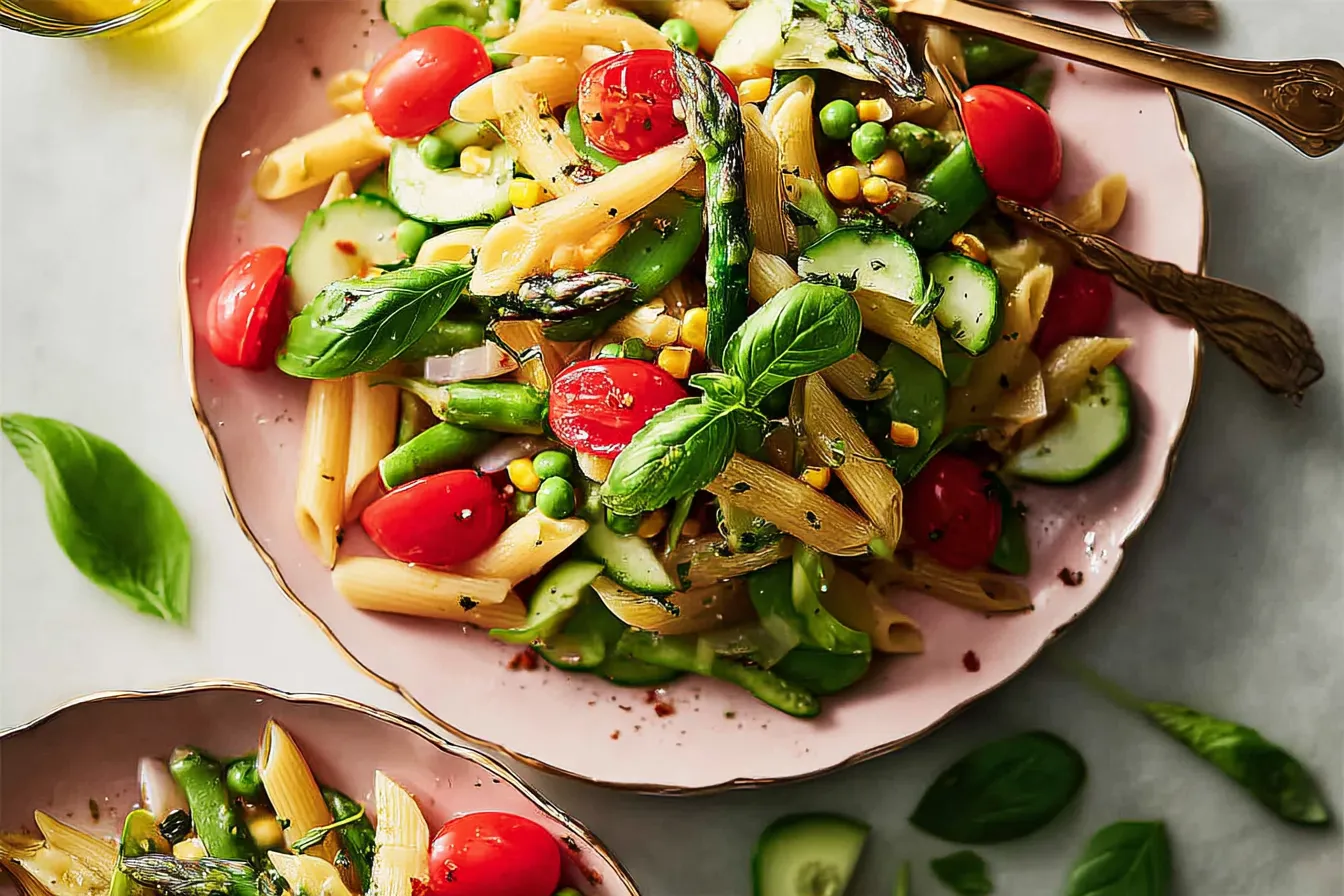
Ingredients for Pasta Primavera:
Pasta Primavera is a delightful, vibrant dish that showcases seasonal vegetables. To make this colorful recipe, gather the following ingredients:
- 10 ounces penne pasta
- 2 tablespoons extra-virgin olive oil, plus more for drizzling
- 4 garlic cloves, sliced
- 1 yellow squash, sliced into thin half-moons
- 1 zucchini, sliced into thin half-moons
- 1 bunch asparagus, chopped into 1-inch pieces
- 1 cup cherry tomatoes, halved
- 1 cup thinly sliced red onion
- 1 teaspoon sea salt
- ½ cup frozen peas, thawed
- ¾ cup grated pecorino cheese
- 3 tablespoons fresh lemon juice
- Red pepper flakes, to taste
- 1 cup fresh basil leaves, plus more for garnish
- ¼ cup fresh tarragon, optional
- Freshly ground black pepper, to taste
This vibrant vegetable pasta can take on many forms. If you’re interested in variations, check out the Classic Pasta Primavera recipe for additional ideas. The combination of fresh flavors makes it a favorite among pasta lovers.
How to Prepare Pasta Primavera:
To create a delightful Pasta Primavera, start by boiling a large pot of salted water. Cook 10 ounces of penne pasta until al dente, following the package instructions, then drain and add a drizzle of extra-virgin olive oil to prevent sticking. In a large, deep skillet, heat 2 tablespoons of olive oil over medium heat. Add 4 sliced garlic cloves, along with 1 yellow squash and 1 zucchini sliced into half-moons, and sauté for about 3-4 minutes. Next, incorporate 1 bunch of chopped asparagus, 1 cup of halved cherry tomatoes, and 1 cup of thinly sliced red onion. Season the vegetables with 1 teaspoon of sea salt and freshly ground black pepper. After the vegetables soften, stir in the cooked pasta, ½ cup of thawed frozen peas, ¾ cup of grated pecorino cheese, and 3 tablespoons of fresh lemon juice for zesty flavor. For more inspiration, check out this roasted vegetable pasta primavera recipe. Finally, toss in 1 cup of fresh basil leaves and optional ¼ cup tarragon for added aroma. Garnish with extra basil, serve, and enjoy!
For additional tips and variations, visit Love & Lemons, where you can explore more delicious pasta ideas.
Cooking Techniques for Perfect Pasta Primavera:
To create an exceptional Pasta Primavera, mastering cooking techniques is crucial. Start by selecting fresh, seasonal vegetables. This enhances flavor and nutritional value. Blanch vegetables like bell peppers, zucchini, and cherry tomatoes for about two minutes in boiling water, then immediately transfer them to ice water. This step retains brightness and crunch.
Next, cook your pasta until al dente. Drain it, reserving some pasta water. Mix your blanched veggies with the pasta, adding olive oil and a sprinkle of garlic for a vibrant taste. If you prefer a creamy variation, consider this Creamy Pasta Primavera recipe for a delightful twist.
Finally, finish your dish by tossing in fresh herbs like basil or parsley. They not only enhance the aroma but also add a vibrant freshness. Serve immediately for the best flavor experience, savoring every colorful bite of your delicious vegetable pasta dish.
Serving Suggestions :
Pasta Primavera is a delightful dish that shines as a fresh, vibrant meal option. To enhance your dining experience, consider pairing it with a crisp salad. A simple mix of greens, tomatoes, and cucumber drizzled with balsamic vinaigrette complements the richness of the pasta.
For a heartier meal, you can serve Pasta Primavera alongside grilled chicken or shrimp, adding a protein punch. If you prefer vegetarian options, roasted vegetables provide an earthy balance to the dish.
Additionally, you might explore some similar recipes to diversify your dinner table. For example, try the Creamy Pasta Primavera for a richer flavor profile or the Fresh Garden Pasta Primavera that incorporates seasonal ingredients. No matter how you serve it, this dish brings color and nutrition to any meal!
Storage Tips for Pasta Primavera:
To keep your vibrant Pasta Primavera fresh, store it in an airtight container in the refrigerator. Consume it within three to four days for the best flavor. Reheat gently on the stove, adding a splash of water or olive oil to maintain moisture. For a twist, try this Fresh Garden Pasta Primavera recipe, perfect for meal prep!
Frequently Asked Questions (FAQs):
What is Pasta Primavera?
Pasta Primavera is a vibrant dish featuring fresh vegetables tossed with pasta, often dressed in olive oil, garlic, or a light cream sauce. This dish celebrates seasonal produce, making it not only delicious but also colorful and nutritious.
How can I customize my Pasta Primavera?
You can easily personalize your Pasta Primavera by adding different vegetables like bell peppers, zucchini, or cherry tomatoes. Additionally, incorporating proteins such as grilled chicken or shrimp can enhance its heartiness. Consider trying variations like Creamy Pasta Primavera for a rich twist.
What type of pasta is best for Primavera?
While any pasta can be used, spaghetti, fettuccine, or penne are popular choices. Their shapes hold onto the sauce and veggies beautifully, ensuring each bite is filled with flavor.
Can I make Pasta Primavera ahead of time?
Certainly! You can prepare the vegetables and pasta in advance. Just mix everything together before serving, and if you’re using a cream sauce, add it just before warming to keep the freshness intact.
Is Pasta Primavera suitable for vegetarians?
Absolutely! Traditional Pasta Primavera is vegetarian-friendly and offers a great variety of nutrients. You can omit any animal proteins or dairy to create vegan versions as well.
What are some common seasonings for Pasta Primavera?
Common seasonings include garlic, basil, and oregano, which enhance the freshness of the vegetables. Lightly drizzling with lemon juice or adding grated Parmesan cheese elevates the dish’s flavors, creating an irresistible meal.
Print
Pasta Primavera: Savor the Freshness of Spring!
- Total Time: 50
- Yield: 4 servings 1x
Description
Pasta Primavera is a vibrant and fresh dish that showcases seasonal vegetables, tossed with pasta and a light lemony dressing for a delightful taste experience.
Ingredients
10 ounces penne pasta
2 tablespoons extra-virgin olive oil
4 garlic cloves sliced
1 yellow squash sliced into thin half-moons
1 zucchini sliced into thin half-moons
1 bunch asparagus chopped into 1-inch pieces
1 cup cherry tomatoes halved
1 cup thinly sliced red onion
1 teaspoon sea salt
½ cup frozen peas thawed
¾ cup grated pecorino cheese
3 tablespoons fresh lemon juice
red pepper flakes
1 cup fresh basil leaves
¼ cup fresh tarragon optionally
freshly ground black pepper
Instructions
- Bring a large pot of salted water to a boil. Prepare the pasta according to the package instructions, cooking until al dente. Drain and toss with a drizzle of olive oil to prevent sticking.
- Heat the oil in a large, deep skillet over medium heat. Add the garlic, squash, zucchini, asparagus, tomatoes, onion, salt, and several grinds of pepper and sauté for 3 to 4 minutes, or until the vegetables are tender.
- Add the pasta, peas, cheese, lemon juice, and a pinch of red pepper flakes and toss to combine. Stir in the basil and tarragon, if using.
- Season to taste, garnish with more basil, and serve.
Notes
For an extra kick, adjust the amount of red pepper flakes to your taste. This dish is best served fresh but can be stored in the refrigerator for up to 2 days.
- Prep Time: 20
- Cook Time: 30
- Category: Main Course
- Method: stovetop
- Cuisine: Italian
Nutrition
- Serving Size: 1 cup
- Calories: 250
- Protein: 10g