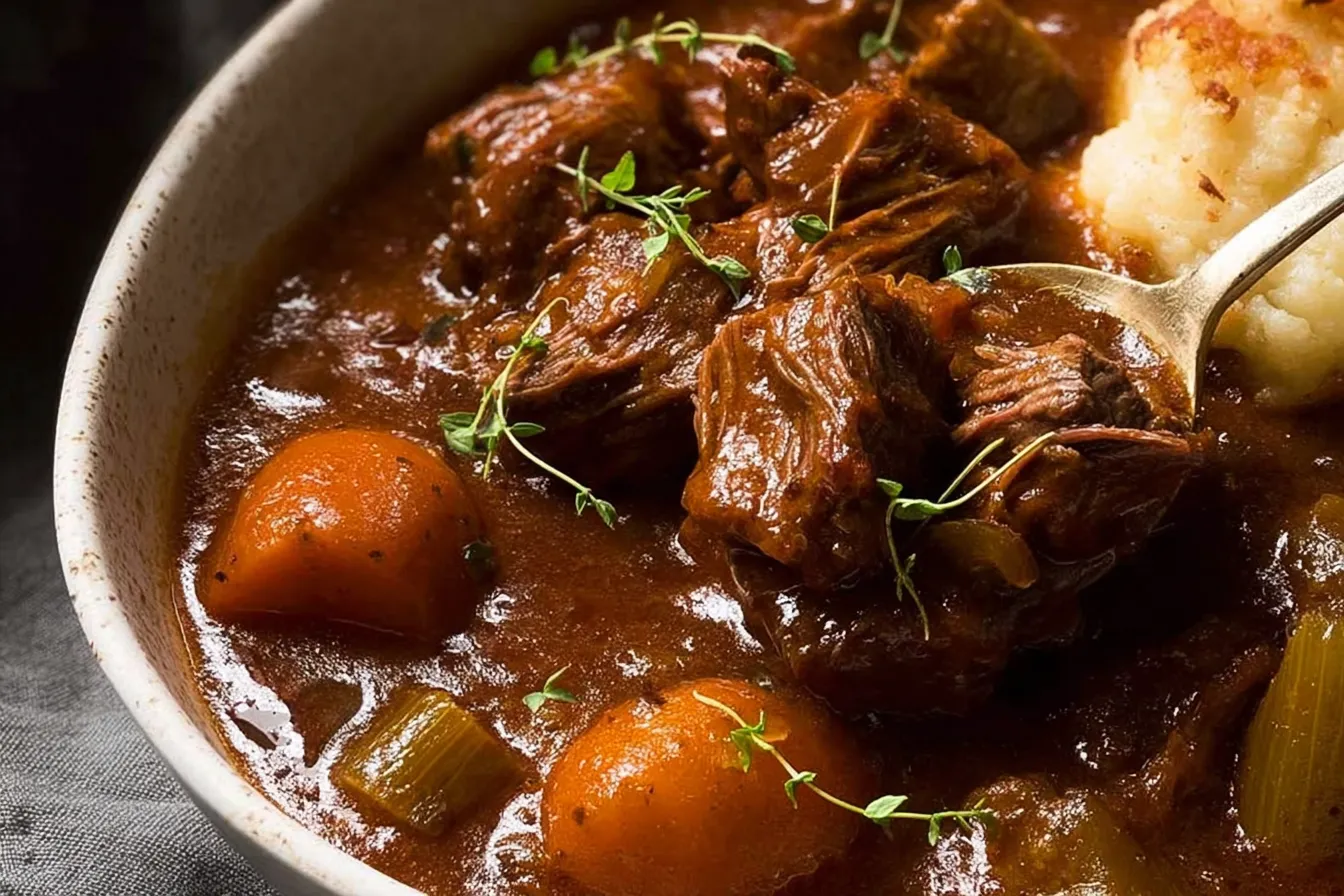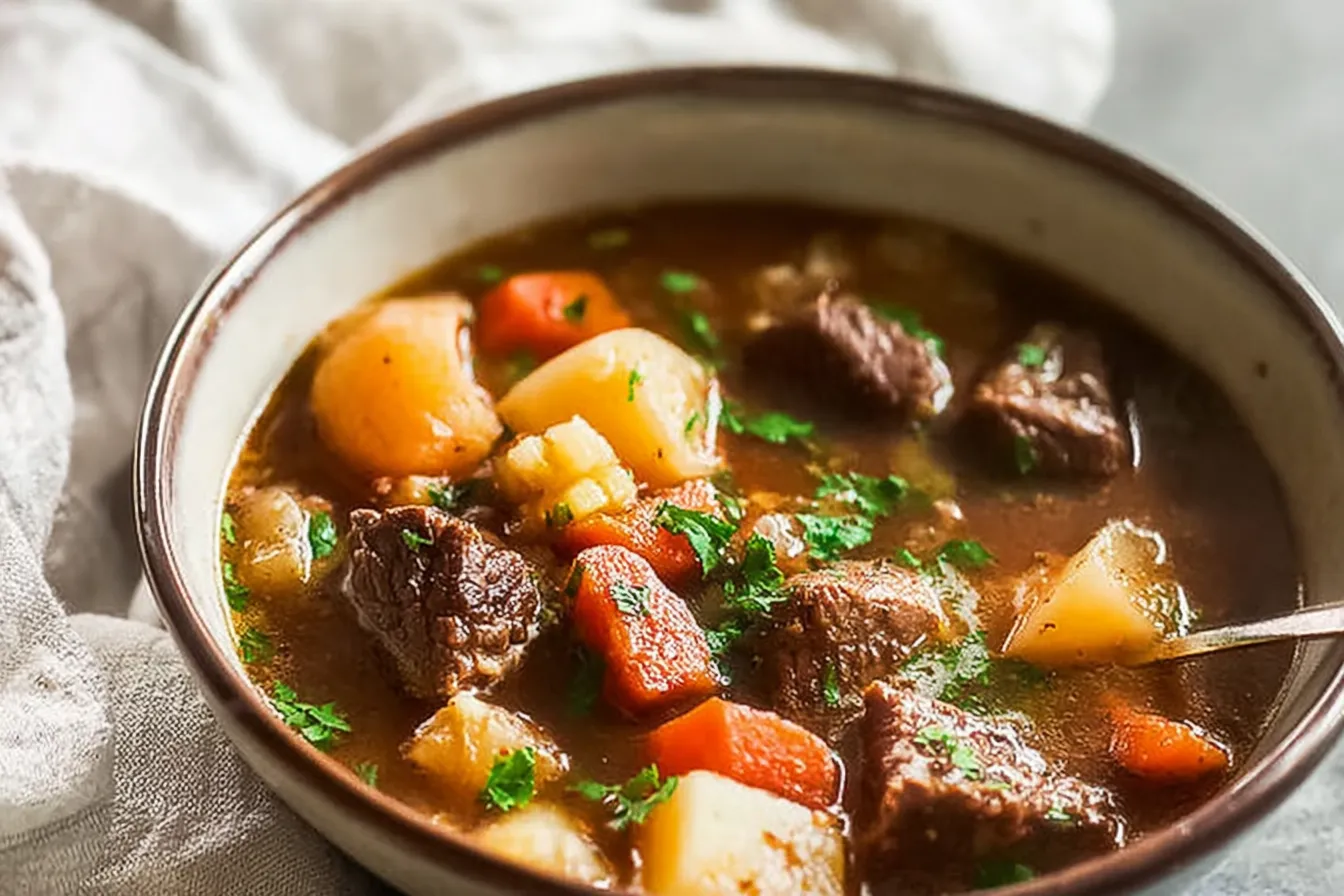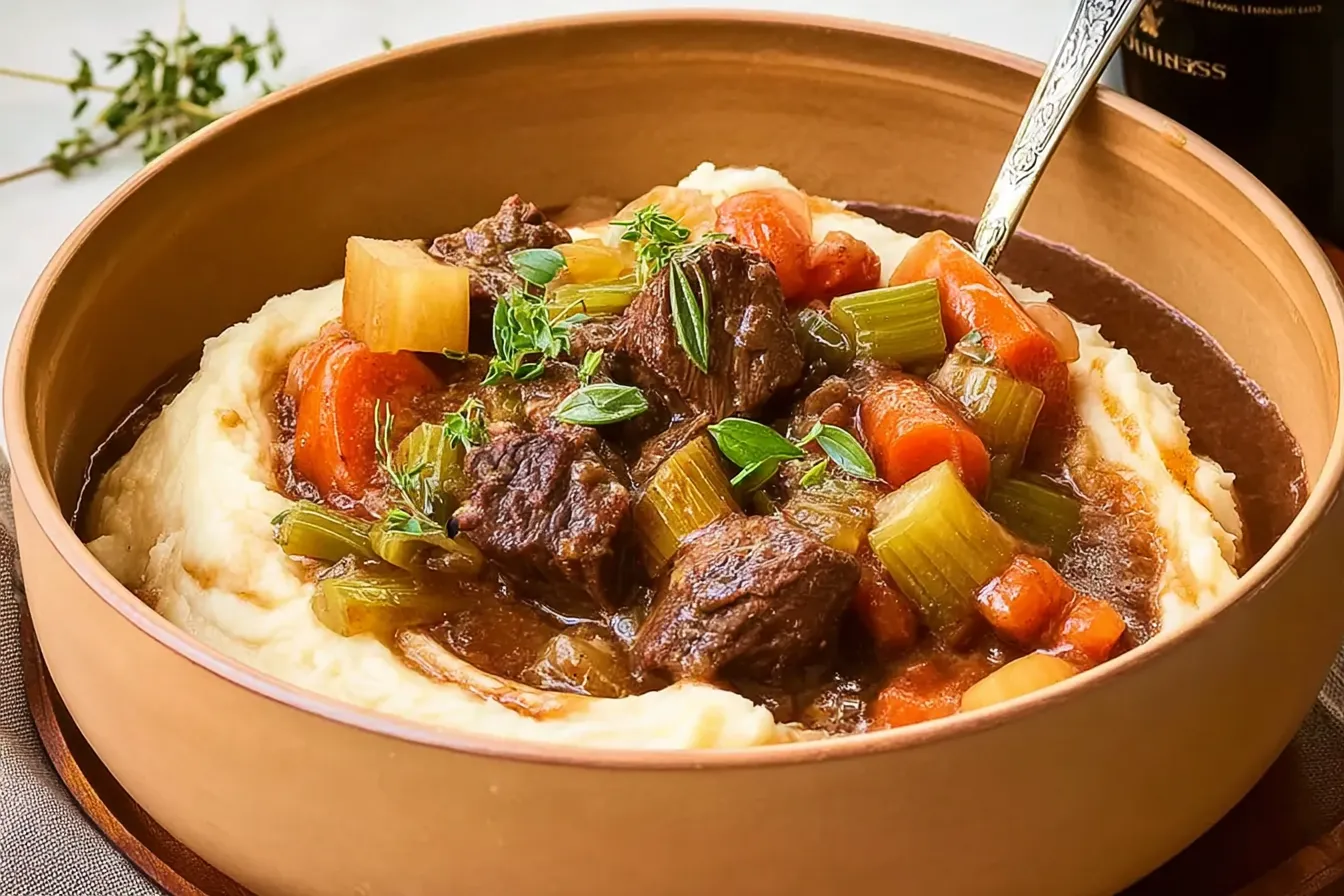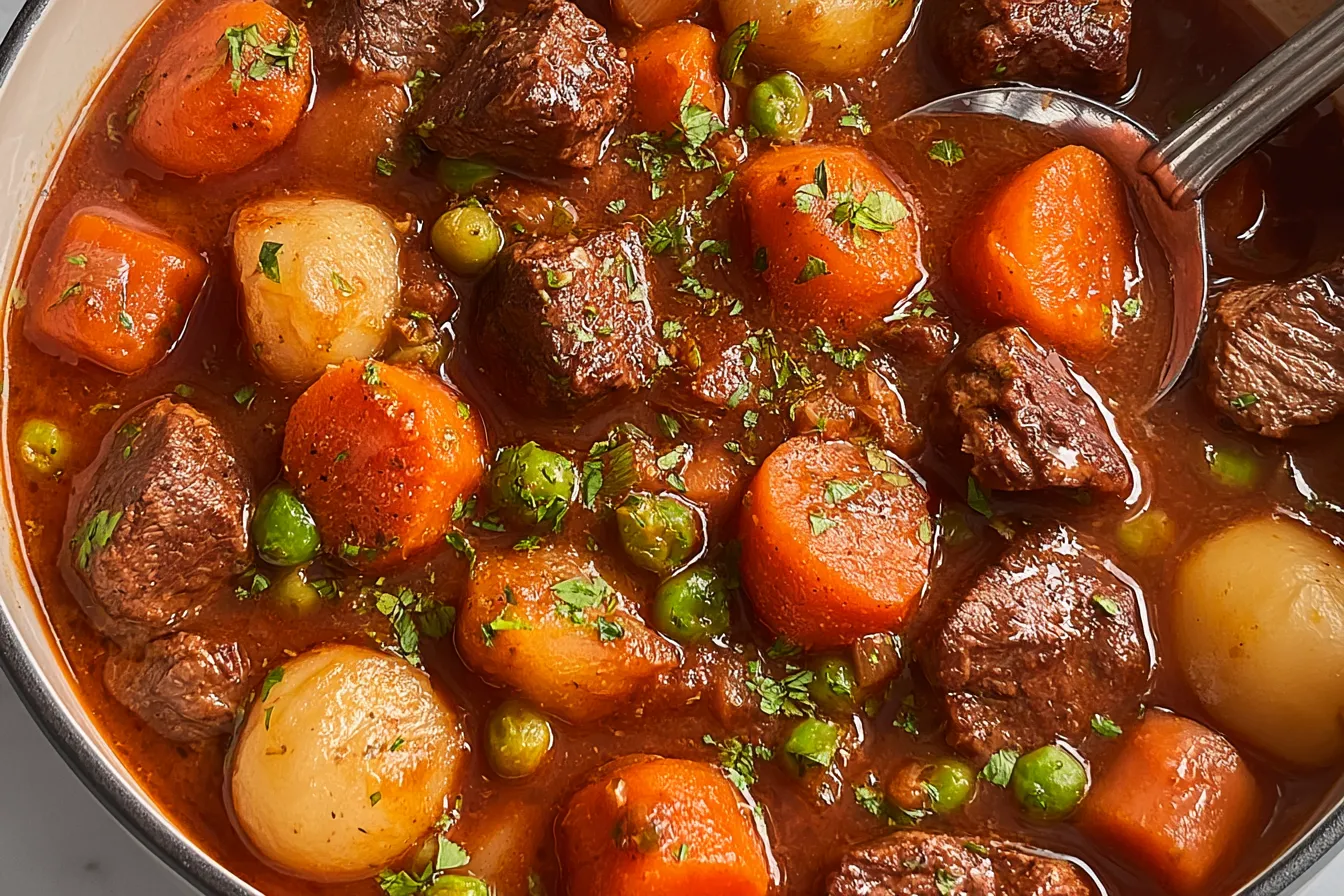
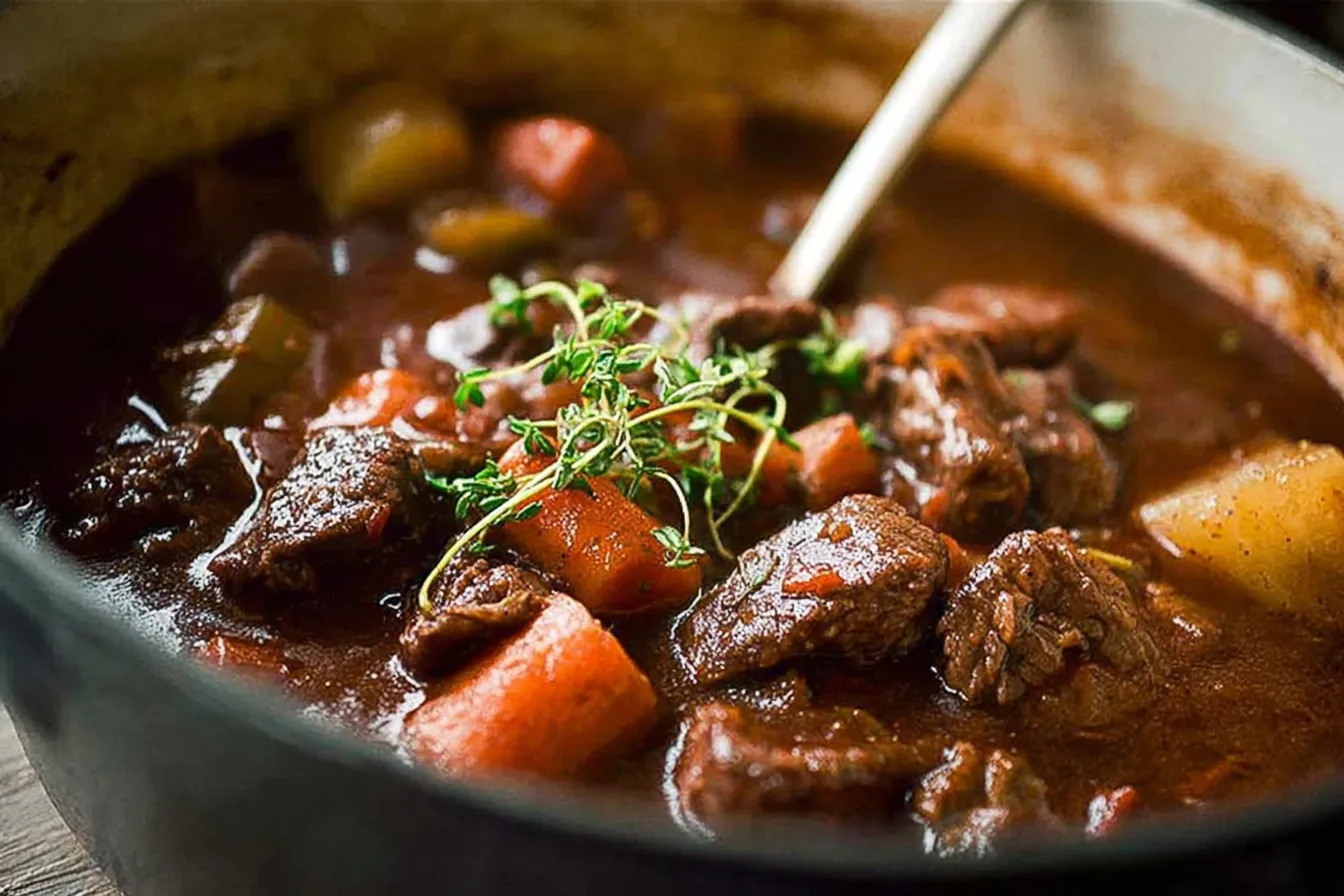
Imagine a bowl of steaming, hearty goodness that warms not just your body, but your soul as well. Authentic Irish Beef Stew embodies comfort food at its finest, showcasing tender chunks of beef, vibrant vegetables, and a rich broth that beckons you to savor every spoonful. This delightful dish, steeped in tradition, is more than just a meal; it’s a cozy experience that transports you straight to the heart of Ireland.
As the weather turns chilly, the allure of classic Irish stew only intensifies. With its simple yet flavorful ingredients, preparing this comforting dish allows you to connect with culture and history. Every bite whispers tales of generations gone by, making it the perfect centerpiece for gatherings or quiet dinners. Dive into the world of Authentic Irish Beef Stew, where warmth meets tradition, and discover why this recipe holds a special place in the hearts of many.
The Rich History of Irish Stew:
The Authentic Irish Beef Stew is a dish steeped in tradition, embodying the heart and soul of Ireland’s culinary heritage. Historically, this hearty stew was a staple among the working class, utilizing affordable ingredients like beef, potatoes, and carrots, which made it both nutritious and filling. It’s believed that the origins of this dish date back to the 19th century when home cooks adapted available resources to create simple yet flavorful meals.
As time went on, variations emerged, but the essence of slow-cooking remained unchanged. Today, many families still cherish the original recipes passed down through generations, celebrating their Irish roots. For those looking to explore complementary dishes, you can try adding a side of Irish soda bread for an authentic experience. This savory pairing enhances the hearty meal and underscores the cultural significance of Irish cuisine. Whether enjoyed on a cold night or during festive gatherings, Irish beef stew remains a beloved comfort food cherished by many.
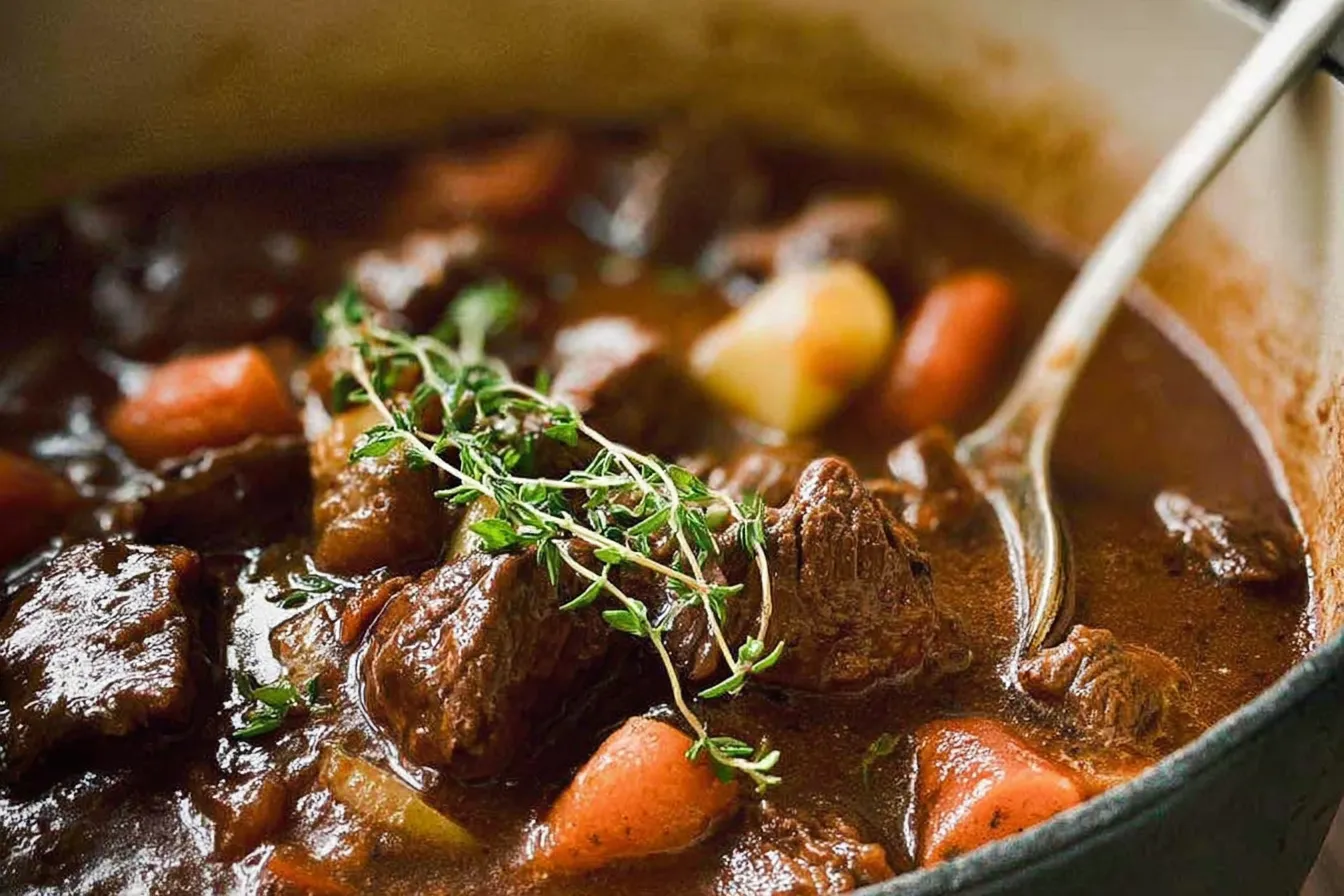
Ingredients for Authentic Irish Beef Stew:
To prepare an unforgettable Authentic Irish Beef Stew, gather the following ingredients:
- 2 tbsp olive oil
- 2.5 lb / 1.25 kg beef chuck or boneless short rib (suitable for slow cooking)
- 3/4 tsp salt
- 3/4 tsp black pepper
- 3 garlic cloves, minced
- 2 onions, chopped (brown, white, or yellow)
- 6 oz / 180g bacon, speck, or pancetta, diced
- 3 tbsp all-purpose flour (substitute gluten-free if needed)
- 440ml / 14.9 oz Guinness Beer
- 4 tbsp tomato paste
- 3 cups (750 ml) chicken or beef stock/broth
- 3 carrots, peeled and sliced into 1.25 cm / 1/2″ pieces
- 2 large celery stalks, cut into 2 cm / 1″ pieces
- 2 bay leaves
- 3 sprigs thyme (or substitute with 1 tsp dried thyme)
This traditional stew captures the essence of hearty Irish cuisine. For a delightful twist, consider pairing it with Irish soda bread to scoop up that rich sauce. The flavors meld beautifully while simmering, creating a dish that warms both the soul and the palate. Enjoy every spoonful of this comforting stew, perfect for family gatherings or cozy nights in.
How to Prepare Authentic Irish Beef Stew:
To create the hearty flavors of an Authentic Irish Beef Stew, begin by cutting the beef into 2-inch chunks. Season them with salt and pepper. Heat olive oil in a heavy pot over high heat and brown the beef in batches, removing it once it’s well-seared. Reduce the heat to medium, then sauté garlic and onions for about three minutes until they soften. Add diced bacon and cook until it’s lightly browned.
Next, toss in chopped carrots and celery, followed by flour to help thicken the stew. Pour in the rich flavor of Guinness beer along with chicken stock and tomato paste, stirring well to dissolve the flour completely. Incorporate bay leaves and fresh thyme, then return the beef along with any juices to your pot. Cover and allow the stew to simmer gently for two hours; it should be beautifully tender at this stage.
For more delightful Irish comfort food, check out this recipe for Irish Beef Stew. After simmering, remove the lid and let it cook for an additional thirty to forty-five minutes until the sauce thickens. Finally, adjust seasoning, remove bay leaves, and serve this hearty stew with creamy mashed potatoes! For a complete guide, visit Simply Recipes.
Tips for Perfecting Authentic Irish Beef Stew:
To achieve a deliciously rich and hearty Authentic Irish Beef Stew, start with high-quality beef. Opt for chuck or brisket for the best flavor and tenderness. Sear the meat in batches to develop that appealing, caramelized crust. This step is crucial for depth of flavor.
Next, use a combination of fresh herbs like thyme and bay leaves, which enhance the stew’s aroma. As the stew simmers, incorporate a splash of stout beer for a distinctive Irish touch. To thicken the stew, consider adding a little flour or cornstarch at the end of the cooking process.
Remember to include root vegetables like carrots and potatoes. They not only absorb flavors but also make the dish nourishing. For a delightful pairing, serve it alongside warm Irish soda bread. Explore this recipe for Irish Beef Stew to experience authentic flavors in your own kitchen. Enjoy your cooking adventure!
Serving Suggestions:
Authentic Irish Beef Stew is a hearty dish that shines when paired with the right accompaniments. Consider serving it alongside a warm slice of traditional Irish soda bread. This bread’s fluffy texture and slightly tangy flavor make it a perfect match to soak up that rich, flavorful broth. For those seeking a complete meal, you might want to option for a side of colcannon—a creamy blend of mashed potatoes and kale or cabbage that’s popular in Irish cuisine.
Additionally, a crisp green salad can provide a refreshing contrast. Dress it lightly with vinaigrette to balance the stew’s depth. Pair your meal with a stout or Irish ale to accentuate the flavors of the stew. For dessert, indulge in a delightful end with Irish Cream Chocolate Chip Bars, which complement the stew beautifully. You can find the recipe for these delicious bars here. Together, these elements create an authentic Irish dining experience that highlights the essence of home-cooked warmth.
Storage Tips for Authentic Irish Beef Stew:
To keep your hearty Irish beef stew fresh, store it in an airtight container in the refrigerator for up to three days. For longer storage, consider freezing portions. Just ensure to let it cool completely first. When you’re ready to enjoy, reheat gently on the stove or microwave. Looking for another comforting dish? Try this slow-cooked corned beef with beer recipe for a taste of Ireland!
Frequently Asked Questions (FAQs):
What makes a stew “authentic”?
An authentic Irish beef stew typically includes key ingredients like beef, potatoes, carrots, onions, and a hearty stock, often flavored with herbs such as thyme or bay leaves. It’s slow-cooked, allowing flavors to meld beautifully over time, resulting in a comforting and rich dish enjoyed in homes across Ireland.
Can I use different types of meat?
While traditional recipes stick to beef, you can experiment with lamb or even pork. However, other meats will alter the flavor profile. If you want a similar experience, sticking to beef or lamb is recommended for an authentic taste.
What side dishes pair well with Irish beef stew?
A delightful match is Irish soda bread, which is perfect for soaking up the rich gravy. Additionally, you might consider serving mashed potatoes or a fresh green salad for a balanced meal.
How can I make it gluten-free?
To create a gluten-free version of your authentic Irish beef stew, choose gluten-free flour or cornstarch to thicken the stew. Furthermore, be sure to check labels on your broth or stock for hidden gluten.
Can this dish be prepared in a slow cooker?
Absolutely! Cooking your Irish beef stew in a slow cooker is a fantastic approach. It allows the beef to tenderize and the flavors to deepen. You can find a great recipe for a slow-cooked version here.
Is it possible to freeze the stew?
Yes, the stew freezes wonderfully! Just let it cool completely, then store it in airtight containers. When you’re ready, simply reheat it thoroughly, allowing the flavors to regain their depth.